Dubai promises some of the highest property returns in the world. But before you commit your capital, you need to understand the risks of buying property in Dubai with the same clarity you understand the rewards.
The honest truth is that Dubai real estate is not risk-free. No investment market is. What separates successful UK investors from those who get burned is preparation, the right advisors, and knowing exactly what to look for before signing anything.
In this guide, you will find every major risk of buying property in Dubai broken down clearly, alongside the practical steps UK investors use to protect themselves and invest with confidence in 2026.
The Real Risks of Buying Property in Dubai
Understanding the risks of buying property in Dubai starts with separating the genuine concerns from the outdated myths. Several risks that worried investors a decade ago have been significantly reduced by new UAE regulations. Others remain relevant and deserve your full attention.
Let’s work through them honestly.
Off-Plan Developer Risk
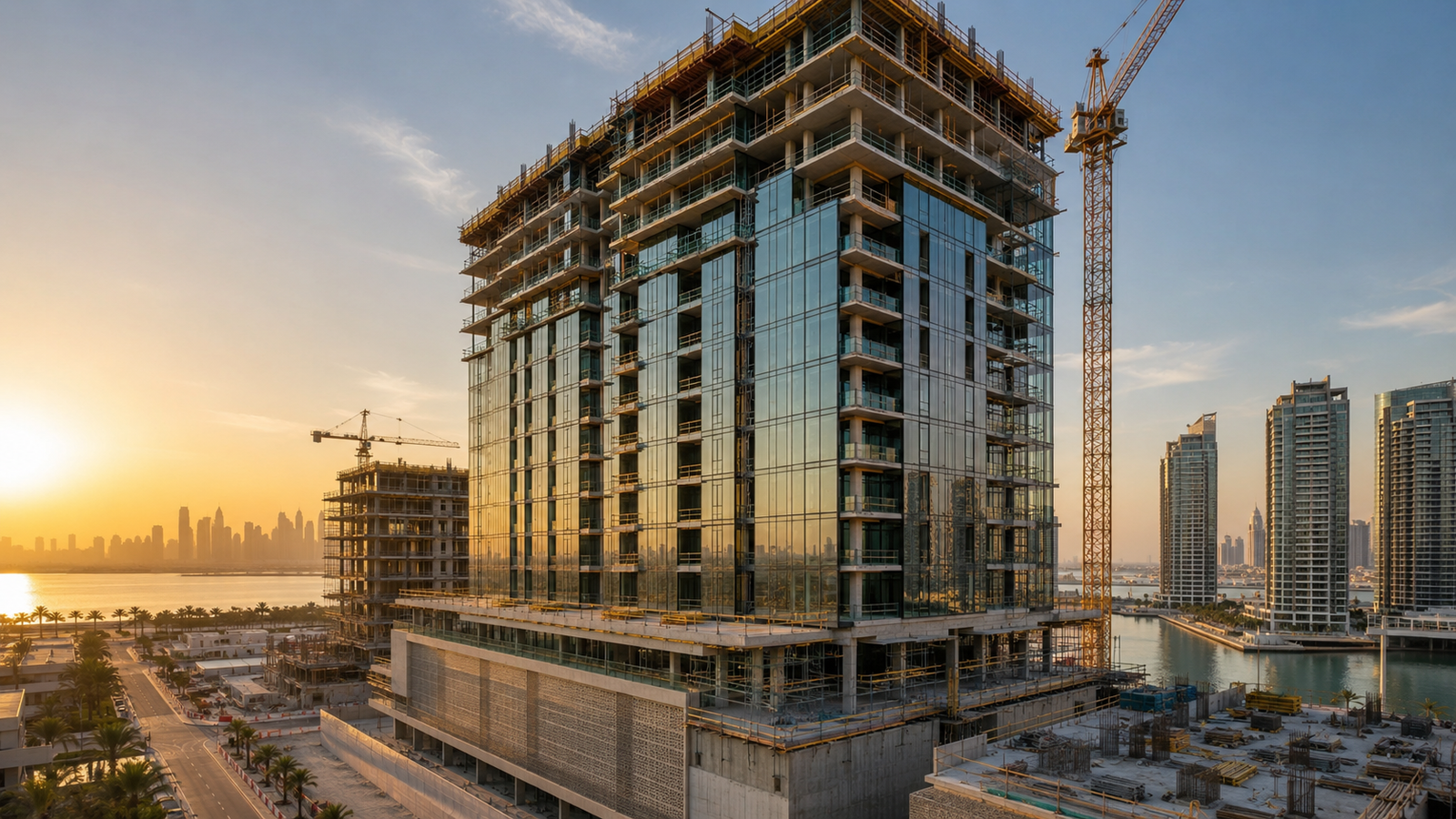
Off-plan property is one of the most popular entry points for UK investors because of its lower price and flexible payment plans. The risk here is straightforward: you are paying for a property that does not yet exist.
If a developer delays, runs into financial difficulty, or in rare cases, fails to complete a project, you could be left waiting years for a return on your capital.
This is a genuine risk. However, the UAE government introduced the Real Estate Regulatory Authority, known as RERA, specifically to address it. Since 2008, RERA requires developers to hold buyer payments in escrow accounts, separate from the developer’s operating funds. Payments are only released to the developer as construction milestones are verified.
The key step for UK investors: always verify that your chosen developer is RERA-registered before signing. Every developer featured at the Dubai Property Expo is verified and operating under UAE regulatory frameworks. That due diligence is done for you before the expo.
Choosing the Wrong Location
Not all Dubai postcodes deliver the same returns. Buying in an oversupplied area, a district with weak rental demand, or a location with poor infrastructure can significantly reduce your yield and capital growth potential.
UK investors buying remotely are particularly vulnerable to this risk because they cannot walk the streets or sense the neighbourhood the way a local buyer would.
The risks of buying property in Dubai are higher when you rely solely on a developer’s marketing materials for your location decision. Independent research and advisor guidance are essential. Look for areas with proven rental demand, proximity to transport, and established community infrastructure.
Areas such as Dubai Marina, Dubai Hills, JVC, and Dubai South have consistently delivered strong rental yields for overseas investors. Emerging areas may offer lower entry prices but carry higher location risk.
Currency and Exchange Rate Risk
UK investors buy in AED and earn in AED, but their reference currency is GBP. The AED is pegged to the USD at a fixed rate, which removes AED volatility. However, the GBP-to-AED exchange rate does fluctuate based on UK economic conditions.
A weaker pound means your Dubai property costs more in real terms when you convert. A stronger pound at the point of purchase stretches your budget further.
This is a manageable risk rather than a dealbreaker. UK investors typically use specialist currency transfer services to lock in favourable rates at the time of purchase. Your advisor at the Dubai Property Show London can walk you through the options available for GBP-to-AED transfers.
HMRC and UK Tax Obligations
One risk that UK investors occasionally overlook is their reporting obligation to HMRC. Buying property in Dubai does not mean your rental income escapes the UK tax system.
Dubai charges zero tax on rental income at source. However, as a UK resident, you are required to declare foreign rental income on your Self Assessment tax return. The good news is that the UK has a tax treaty framework with the UAE, and HMRC allows deductions for legitimate property expenses.
Failing to declare foreign rental income is the risk here, not the income itself. Get this structure right from the beginning with a UK-based tax adviser who has overseas property experience. One-to-one sessions at the Dubai Property Expo UK events include guidance on this exact topic.
Lack of Mortgage Access for UK Buyers
Unlike UK property, Dubai real estate is predominantly a cash or payment plan market for overseas buyers. UAE mortgages are available but difficult for non-residents to access, and they typically require a 25% deposit with strict income verification.
This means most UK investors fund their Dubai purchase through savings, equity release, or payment plan financing offered directly by the developer. Developer payment plans are often interest-free and spread over three to five years, making them accessible even without a traditional mortgage.
The risk lies in overcommitting. Never stretch your finances so far that a delayed rental income or a gap in payment plan management creates financial stress. Set a realistic budget before attending the Dubai Property Show London and stick to it.
Risks That Are Commonly Overstated
The risks of buying property in Dubai are real, but they are frequently exaggerated by investors who encounter problems due to a lack of preparation rather than the market itself. Here are two risks that deserve reframing.
“Dubai Property Is Just Speculation”
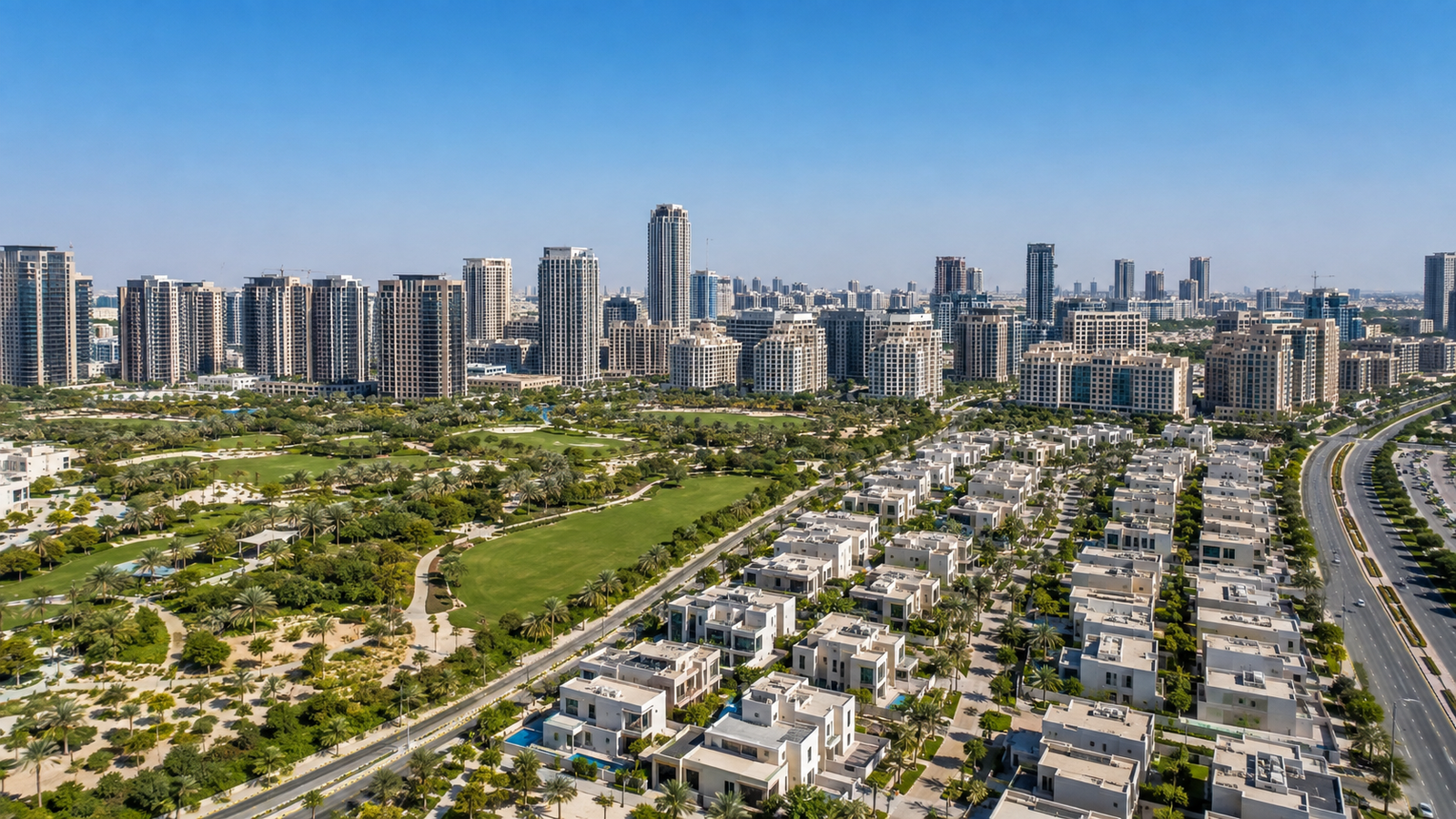
This perception is outdated. Dubai’s real estate market recorded over USD 38 billion in transactions in 2024, according to the Dubai Land Department. Demand is driven by genuine population growth, a thriving expatriate workforce, and long-term infrastructure investment, including Expo City, Dubai South, and the Al Maktoum Airport expansion.
Long-term rental demand in Dubai is structural, not speculative. That fundamentally changes the risk profile.
“You Have No Legal Protection as a Foreign Buyer”
Foreign nationals can own property outright in designated freehold zones across Dubai. These zones cover the most in-demand investment areas, including Dubai Marina, Downtown Dubai, Palm Jumeirah, and Dubai Hills. Ownership is registered with the Dubai Land Department and gives the buyer full title deed rights.
UK investors have the same legal protections as any other foreign buyer within these zones. The risk of owning with no legal recourse simply does not apply to freehold zone purchases.
How to Invest in Dubai Safely from the UK
The risks of buying property in Dubai reduce significantly when you follow a structured approach. Here is the framework used by experienced UK investors.
Only buy from RERA-registered developers with a proven completion track record. Attend a live event like the Dubai Property Show London, where developers are pre-vetted, and advisors are available for direct consultation. Use a specialist GBP-to-AED currency service rather than a high street bank for your transfer. Declare your Dubai rental income to HMRC from year one. Set a budget that works without maximum leverage, because payment plans require consistent payments over several years.
The Dubai Property Expo platform exists specifically to reduce the risk exposure of UK investors by filtering out unverified developers and providing access to expert advisory support in the UK.
Your Next Step: Invest in Dubai with Confidence
The risks of buying property in Dubai are real, manageable, and far outweighed by the opportunity when you approach the market correctly. Rental yields of 8 to 12%, zero tax at source, flexible payment plans, and the UAE Golden Visa make Dubai one of the most compelling investment markets available to UK buyers in 2026.
The Dubai Property Expo brings verified developers, independent advisors, and exclusive pricing directly to London, Manchester, Birmingham, and Liverpool so you can make that decision with complete confidence.
Register your free place at dubaipropertiesexpo.co.uk and arrive prepared, not guessing.
FAQ
Is it safe to buy property in Dubai from the UK?
Yes, when purchased through verified, RERA-registered developers in designated freehold zones. The Dubai Land Department provides full buyer registration and title deed issuance. The risks of buying property in Dubai are manageable with the right preparation and guidance.
What happens if a Dubai developer goes bust?
Under UAE RERA regulations, buyer payments for off-plan properties must be held in escrow accounts and released only against verified construction milestones. This significantly limits your exposure if a developer encounters financial difficulties.
Do I pay tax in the UK on Dubai rental income?
Yes. Dubai charges no tax at source, but UK residents must declare foreign rental income to HMRC through Self Assessment. You can deduct legitimate property expenses, and UK-UAE tax treaty provisions may apply. Always seek advice from a qualified UK tax adviser.
Can UK investors own property in Dubai outright?
Yes. British nationals can hold full freehold ownership in designated freehold zones across Dubai, including Dubai Marina, Downtown Dubai, Palm Jumeirah, and Dubai Hills. Ownership is registered with the Dubai Land Department.
How do I verify a Dubai developer before buying?
Check the developer’s registration on the Dubai Land Department website and confirm their projects are RERA-certified. At the Dubai Property Show London, every developer on the floor has already been verified by the Dubai Property Expo advisory team.